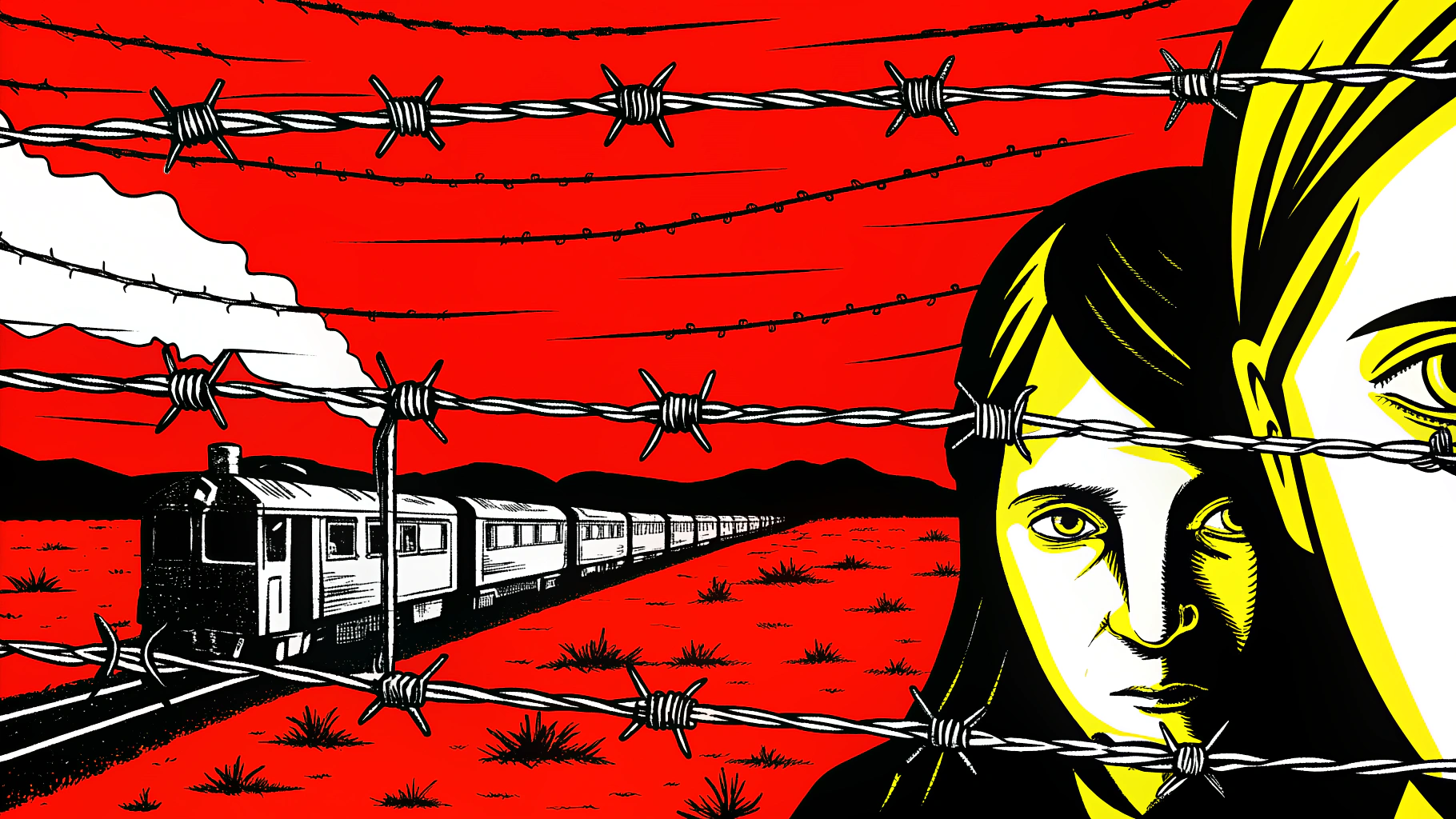
Travel of Memory: A Journey Through History
“Monsters exist, but they are too few in number to be truly dangerous. More dangerous are the common men, the functionaries ready to believe and to act without asking questions.”
— Primo Levi, If This is A Man (1947)
An educational journey focused on Holocaust remembrance and World War II history, visiting concentration camps, engaging with survivors, and promoting awareness among youth. In collaboration with the National Historical Institute for the Resistance.
My Travel of Memory has taught me that indifference can be as dangerous as hatred itself. We must all speak out against injustice and work to create a more just and compassionate world. Remembering the past is vital to protecting our future.
This journey through the remnants of the Holocaust has driven home a chilling reality: authoritarian regimes can rise even within democratic societies, often fueled by apathy and the silence of those who choose to look away. The Holocaust stands as a stark warning that political participation is not a passive right, but an active responsibility we all bear.
When we remain indifferent to injustice, when we fail to challenge prejudice and discrimination, we create a fertile ground for hatred to take root and flourish. It's a slow, insidious process, often masked by seemingly innocuous rhetoric and subtle erosion of freedoms. But history has shown us time and again that the consequences can be devastating.
Remembering the past is not about dwelling in darkness; it's about illuminating the path toward a brighter future. By understanding how these atrocities were allowed to happen, by recognizing the warning signs of intolerance and authoritarianism, we can be better equipped to confront them in our own time.
We must remain vigilant. History doesn't repeat itself, but it often rhymes. Although significant progress has been made, the capacity of the 'common' man to follow hatred, intolerance, and violence remains, as ongoing events and the specters from the past are showing us.
“The sad truth of the matter is that most evil is done by people who never made up their minds to be or do either good or evil.”
— Hannah Arendt, The Life of the Mind (1978)